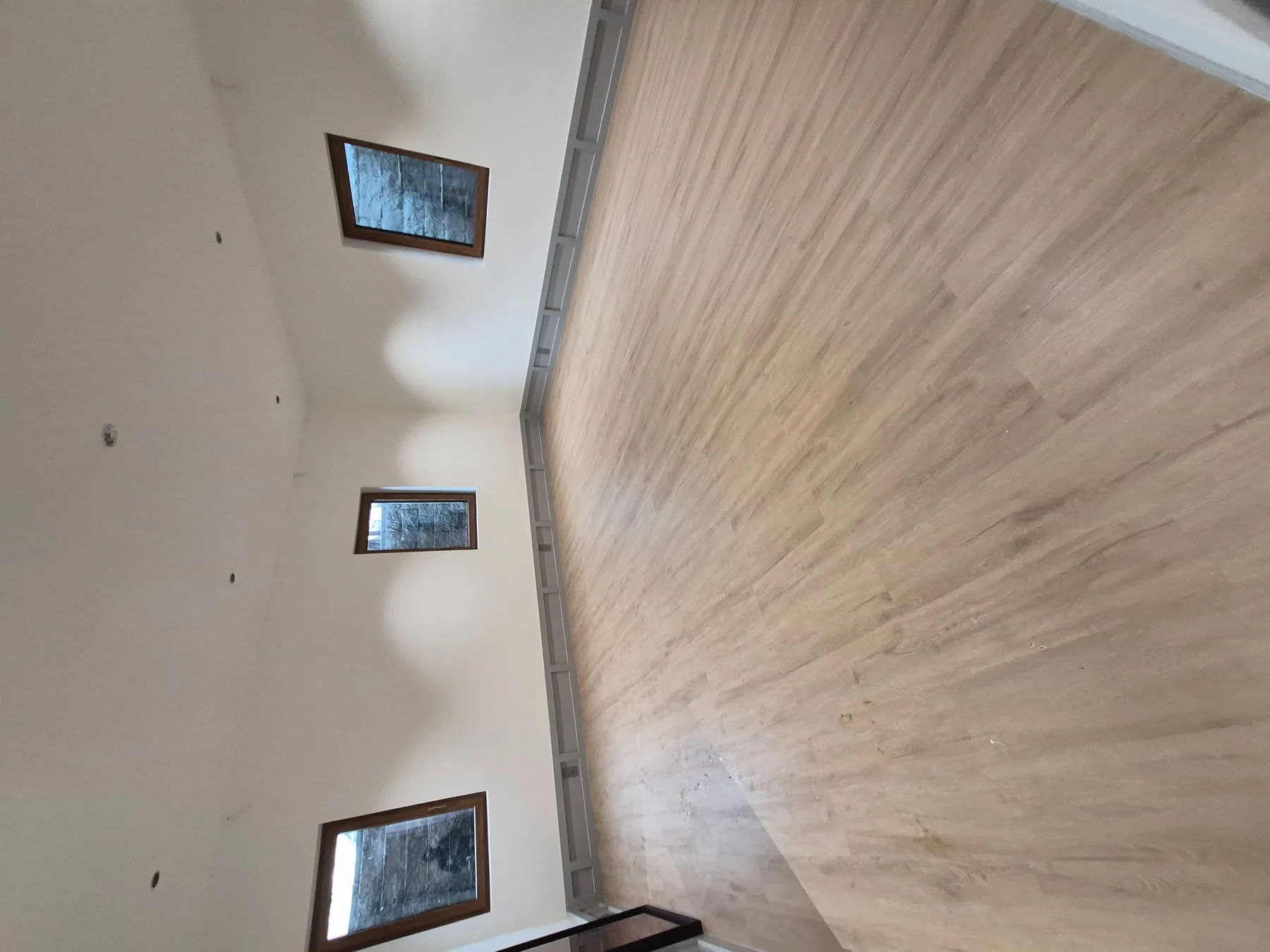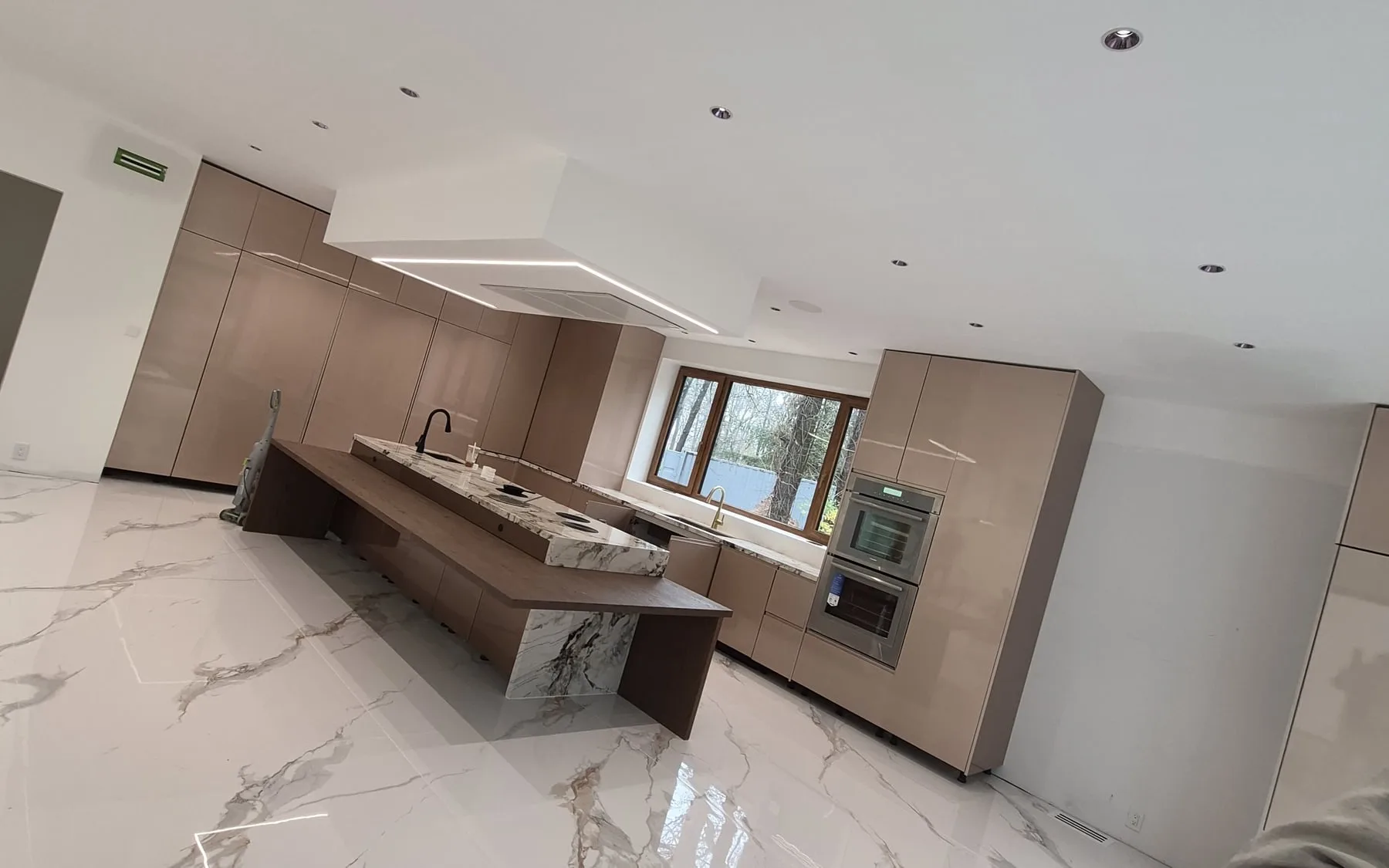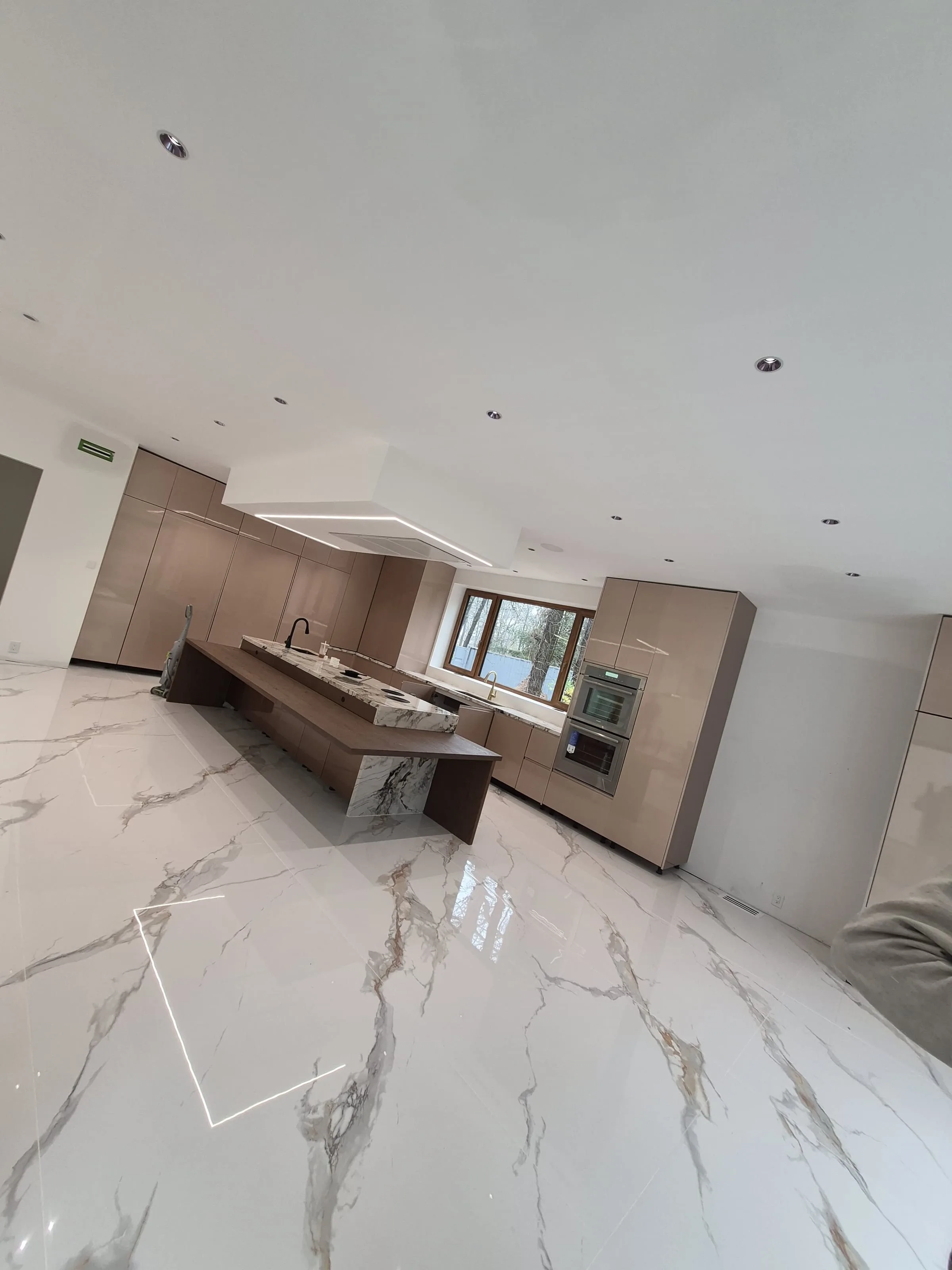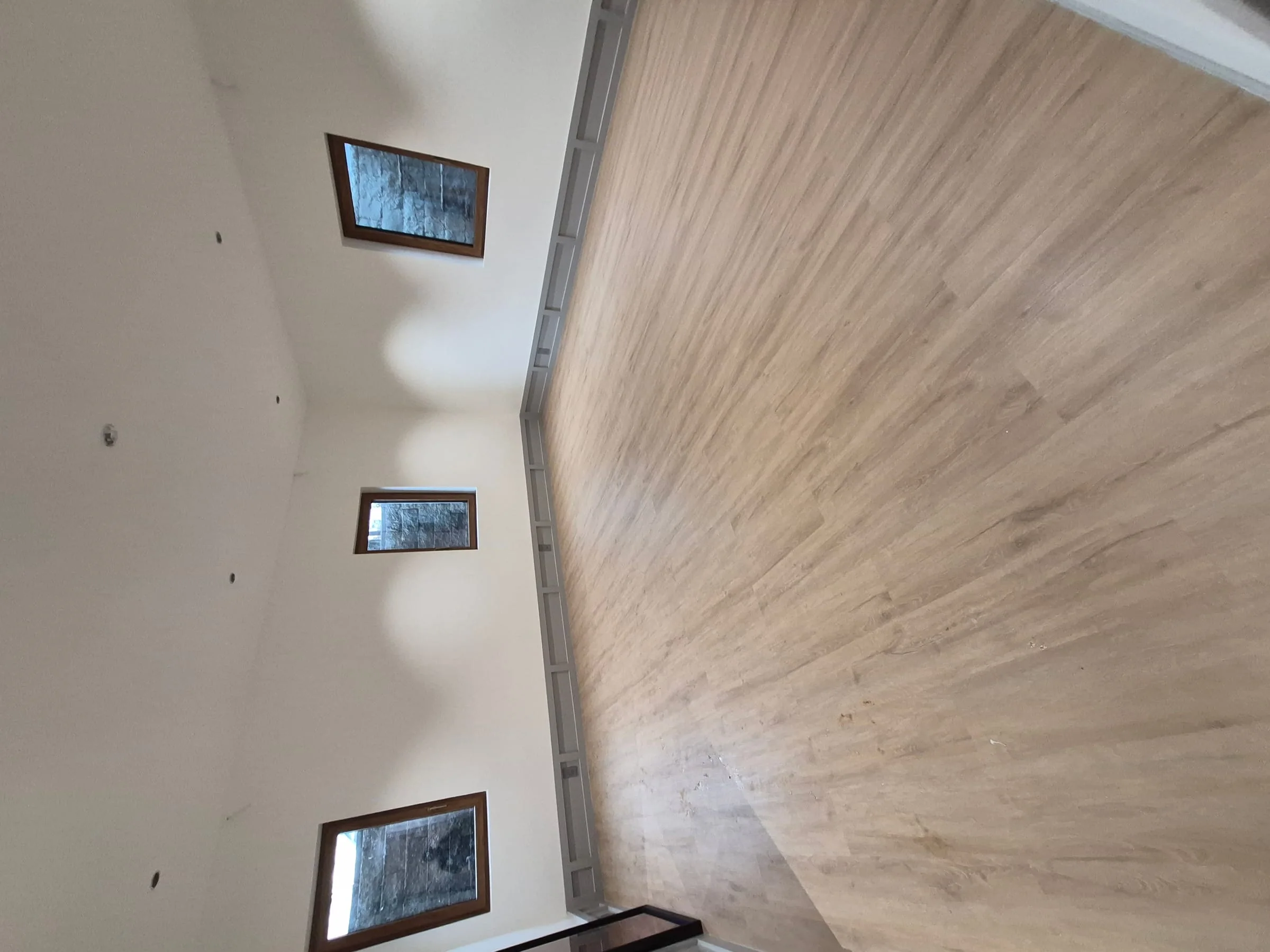
service hub

Flooring Installation in NYC

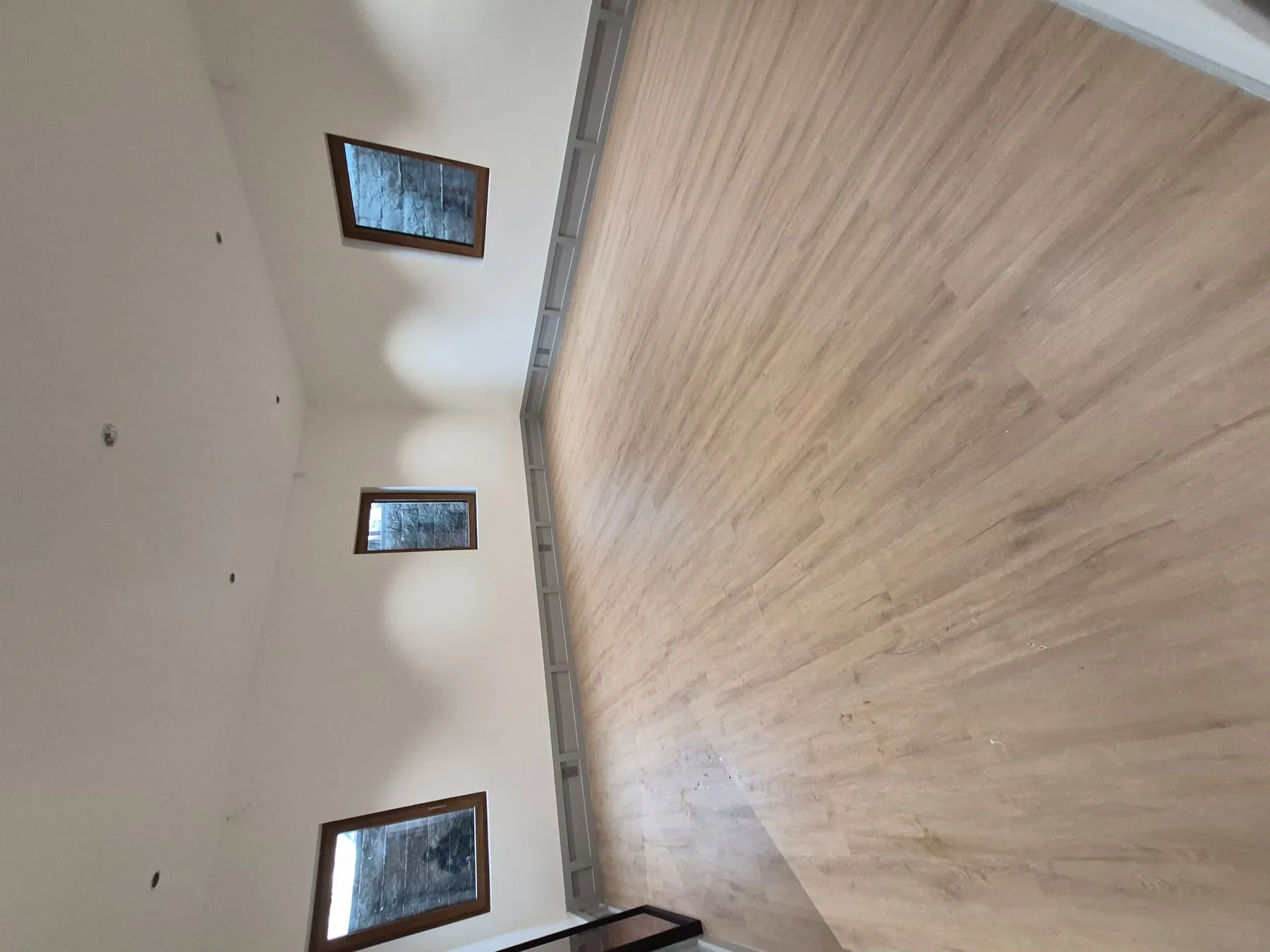
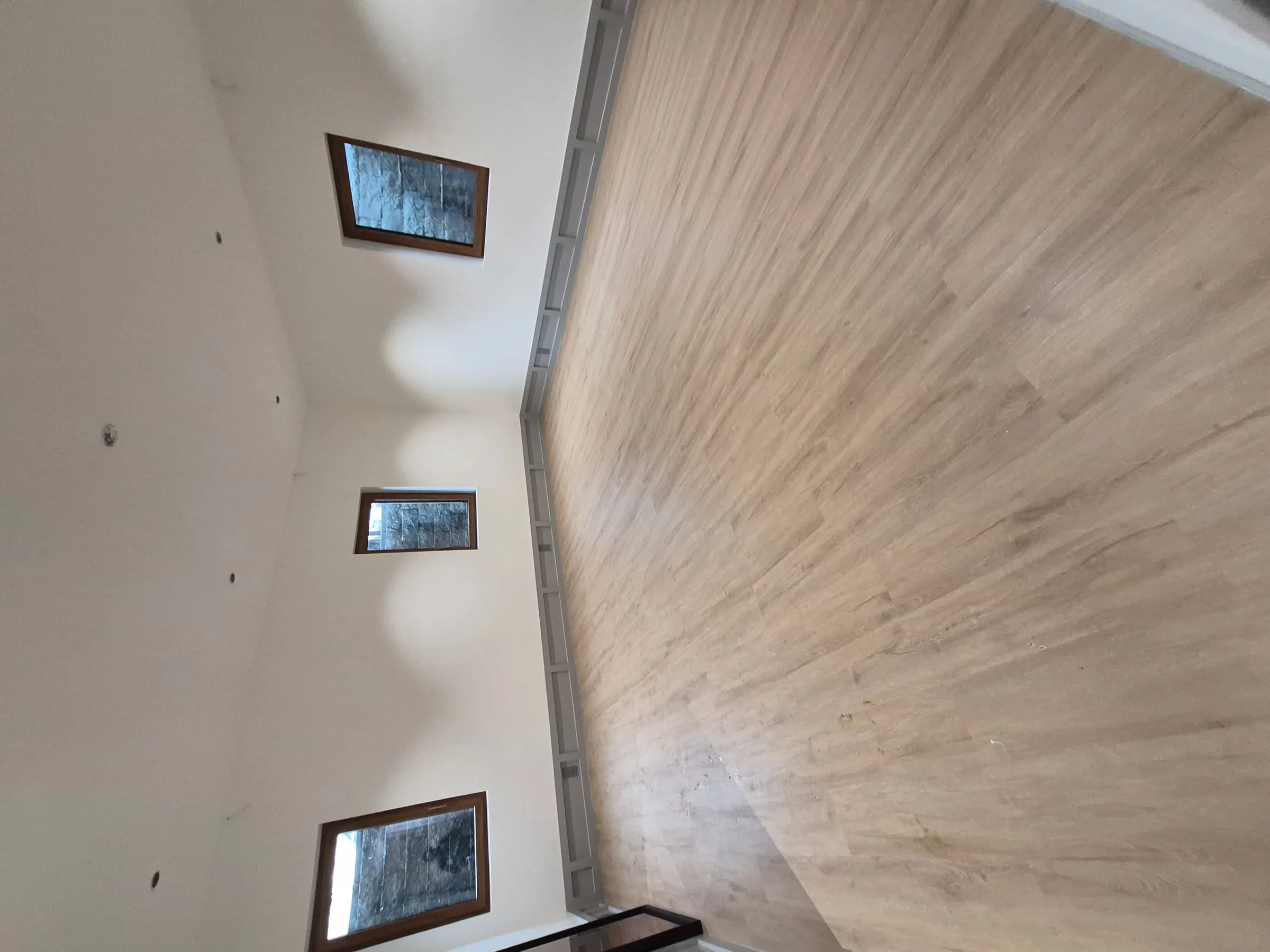
Hardwood, engineered wood, vinyl plank, and tile flooring across NYC and NJ. Sand-and-finish, dust containment, acoustic underlayment for co-op compliance, and transitions over uneven sub-floors.

Flooring Installation in NYC

Flooring installation across NYC and northern New Jersey, delivered as part of bathroom, kitchen, and full-home remodels — or as standalone scope when the rest of the home is fine. Solid hardwood, engineered wood, luxury vinyl plank, tile flooring, and sand-and-finish on existing floors. Acoustic underlayment for co-op compliance, dust-containment sanding, and clean transitions over uneven sub-floors.

[License #] · 2-year workmanship warranty · 5.0 ★ Google · Licensed, Insured & Bonded · 10+ years.

Schedule a free consultation — in person or by video. Call (862) 430-3655.

What we install

Flooring is a service that spans every project type we run. Hardwood and engineered wood in primary living areas. Tile in bathrooms, kitchens, mudrooms, and entries (covered in detail on tile installation). Vinyl plank in basements and high-traffic family spaces. Sand-and-refinish on existing original floors during a renovation. The standards that matter — substrate prep, acoustic underlayment compliance, dust containment, and transition work at seams — are the same regardless of finish material.

Flooring services we offer

Solid hardwood

Wide-plank white oak (the dominant spec in current NYC residential), red oak, walnut, hickory, ash, and maple. Site-finished or pre-finished. Standard widths from 3” to 10”. Stained or natural finish. Best on a wood subfloor; works in townhouses, single-family homes, and pre-war apartments with original wood subfloor structure.
Engineered wood

Real-wood top layer (typically 3-6mm thick) over a plywood-like core. White oak, walnut, hickory, and herringbone-pattern engineered are all in spec range. Dimensionally stable in humid environments, works over concrete subfloors, can typically be refinished 1-2 times. The right choice for most NYC apartments built post-1950 (slab construction) and basement applications.

Luxury vinyl plank (LVP)

Waterproof, scratch-resistant, dimensionally stable. Best in basements, kitchens, bathrooms, mudrooms, and homes with active families and pets. Looks convincingly like hardwood at normal viewing distance; holds up to spills, traffic, and pets in ways real wood doesn’t.

Tile flooring

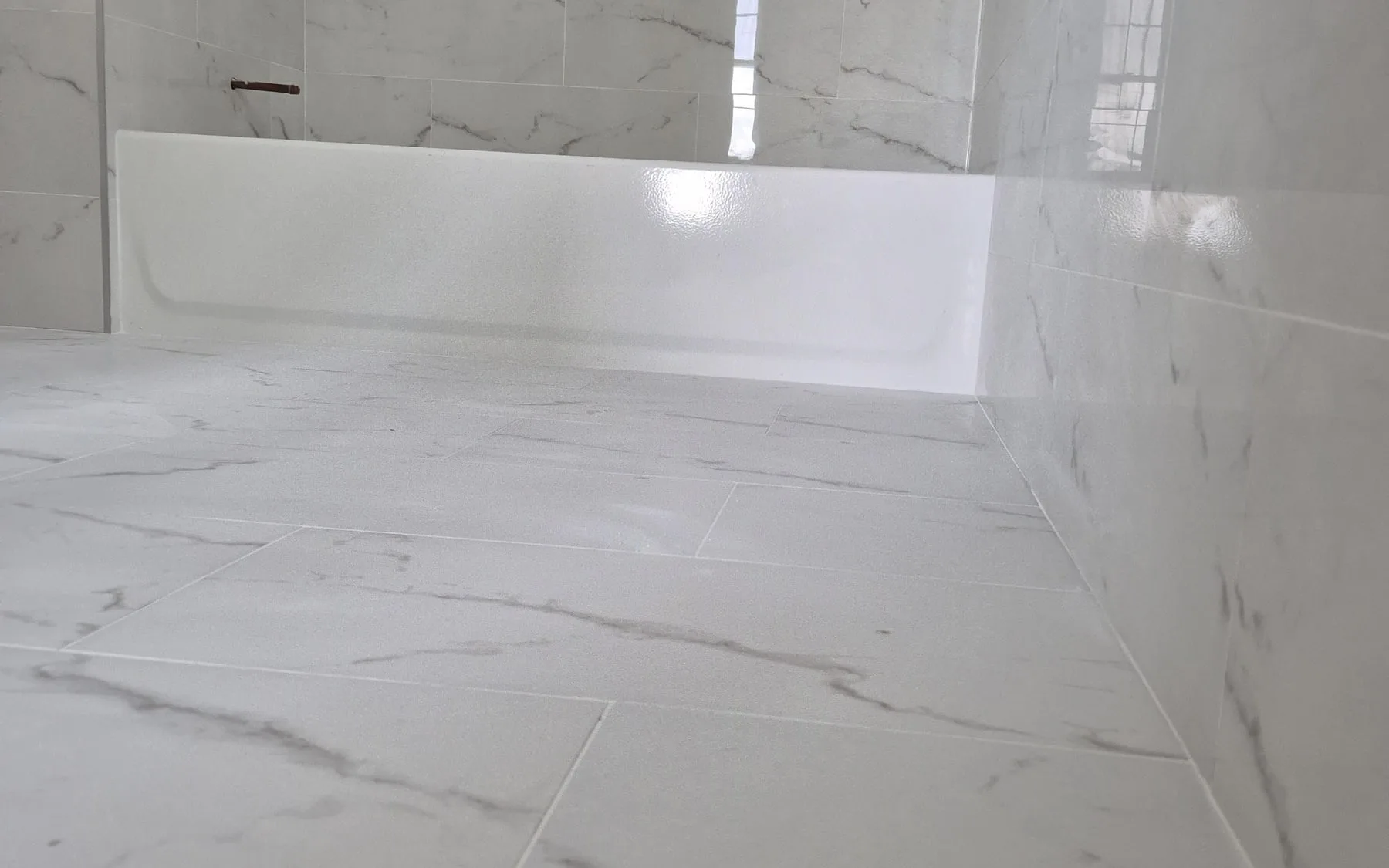
Porcelain (small to large format), natural stone, and cement-look tile. Heated-floor compatible. Covered in detail on tile installation — tile flooring is the same scope as wall tile, just oriented horizontally with substrate prep tuned for floor loading.

Sand-and-finish on existing hardwood

Existing original hardwood sanded to bare wood, stained (or skipped for natural), and finished with 3 coats of polyurethane. Dust-containment sanders. 4 to 8 days from start to walkable floor. Common during a renovation (refresh original floors as part of a kitchen or bathroom remodel) and as standalone scope.

Herringbone, chevron, and pattern installation

Pattern flooring — herringbone, chevron, parquet, basketweave — installed in either solid hardwood or engineered wood. Slower install than straight-lay; layout planning is the difference between a clean pattern and a misaligned one. Increasingly common in higher-finish-tier renovations.

Repair and integration

Patching damaged sections of existing hardwood, weaving new boards into existing patterns, and integrating new floor work into an addition’s footprint. The matching detail is what separates a clean repair from an obvious patch.

How a flooring install runs

  1. Consultation and material selection. We bring real samples — solid hardwood species and finishes, engineered wood, LVP, and stain options — to the consultation. Sample stained on a small section before final approval is standard for sand-and-finish.
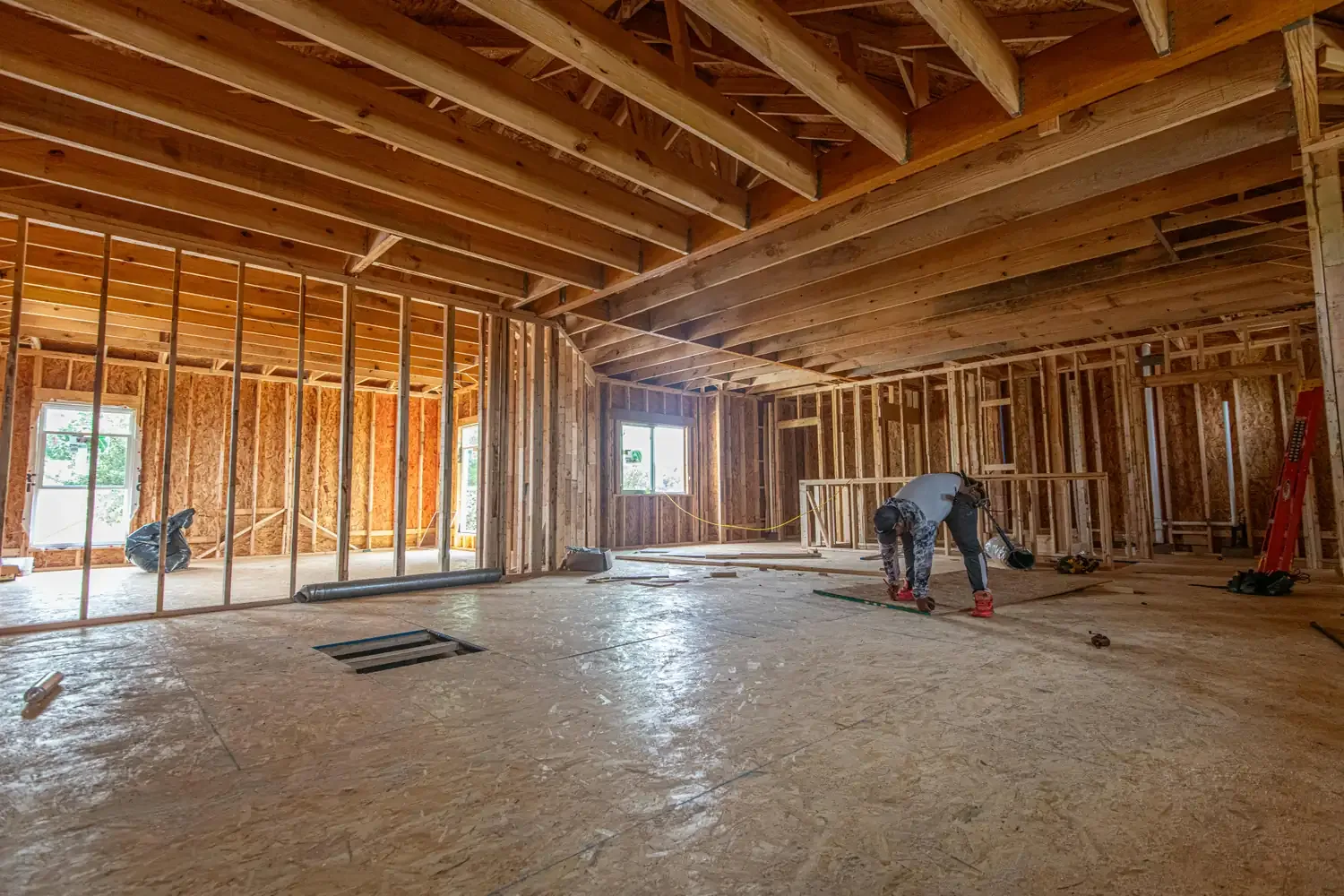
  2. Substrate prep. Subfloor inspected, leveling compound applied where needed, moisture readings taken (especially over concrete slabs in apartments and basements).
  3. Acoustic underlayment installed on co-op floors and any building requiring sound attenuation, sized to the building’s required STC/IIC rating.
  4. Install. Hardwood and engineered nailed or floated per product spec; vinyl plank floated; tile mortar-set on cement board or directly to membrane (per tile installation).
  5. Sand-and-finish (where applicable). Dust-contained sanders, 3 grits, optional stain, 3 coats of polyurethane with dry time between.
  6. Transitions and trim — thresholds at room boundaries, baseboards reinstalled, returns to walls cleaned up.
  7. Walk-through, care guide, warranty. 2-year workmanship warranty plus the manufacturer’s wood warranty (typically 25-50 years on wear layer for engineered, lifetime structural on solid).

The full process →

Service areas

Flooring work happens across our entire service area:

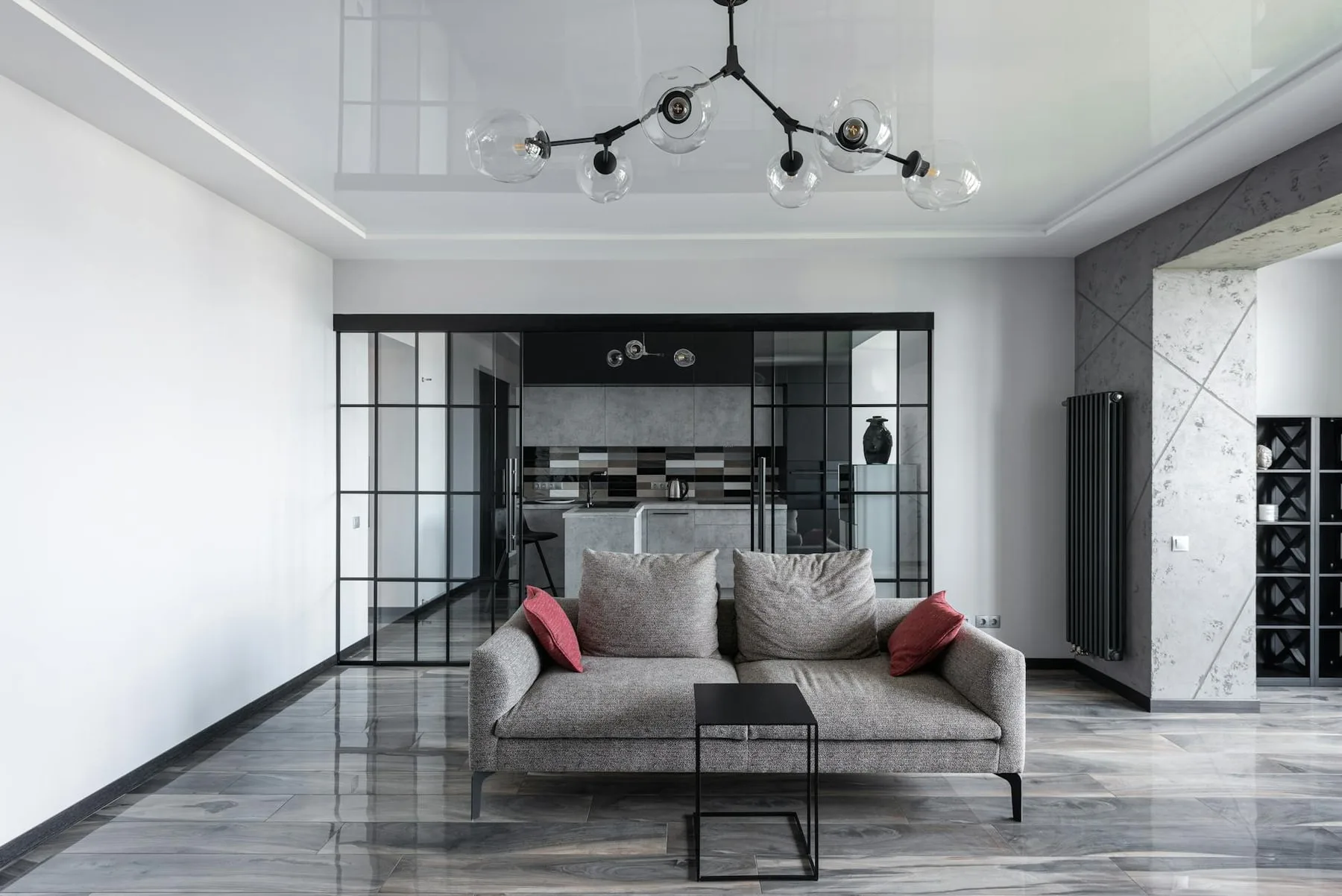
  • Wide-plank white oak with acoustic underlayment, Manhattan co-op. 7” wide-plank white oak, site-stained to a custom natural finish, installed over a high-spec acoustic underlayment per the building’s STC requirement. 1,800 sq ft, 9 days of install.
  • Sand-and-finish on original 1920s hardwood, Brooklyn. Original red oak floors throughout a 4-floor brownstone. Sanded with dust-contained equipment, stained to match the existing handrail color, 3 coats of water-based polyurethane. Worked one floor at a time so the family could stay during the renovation. 12 days total.
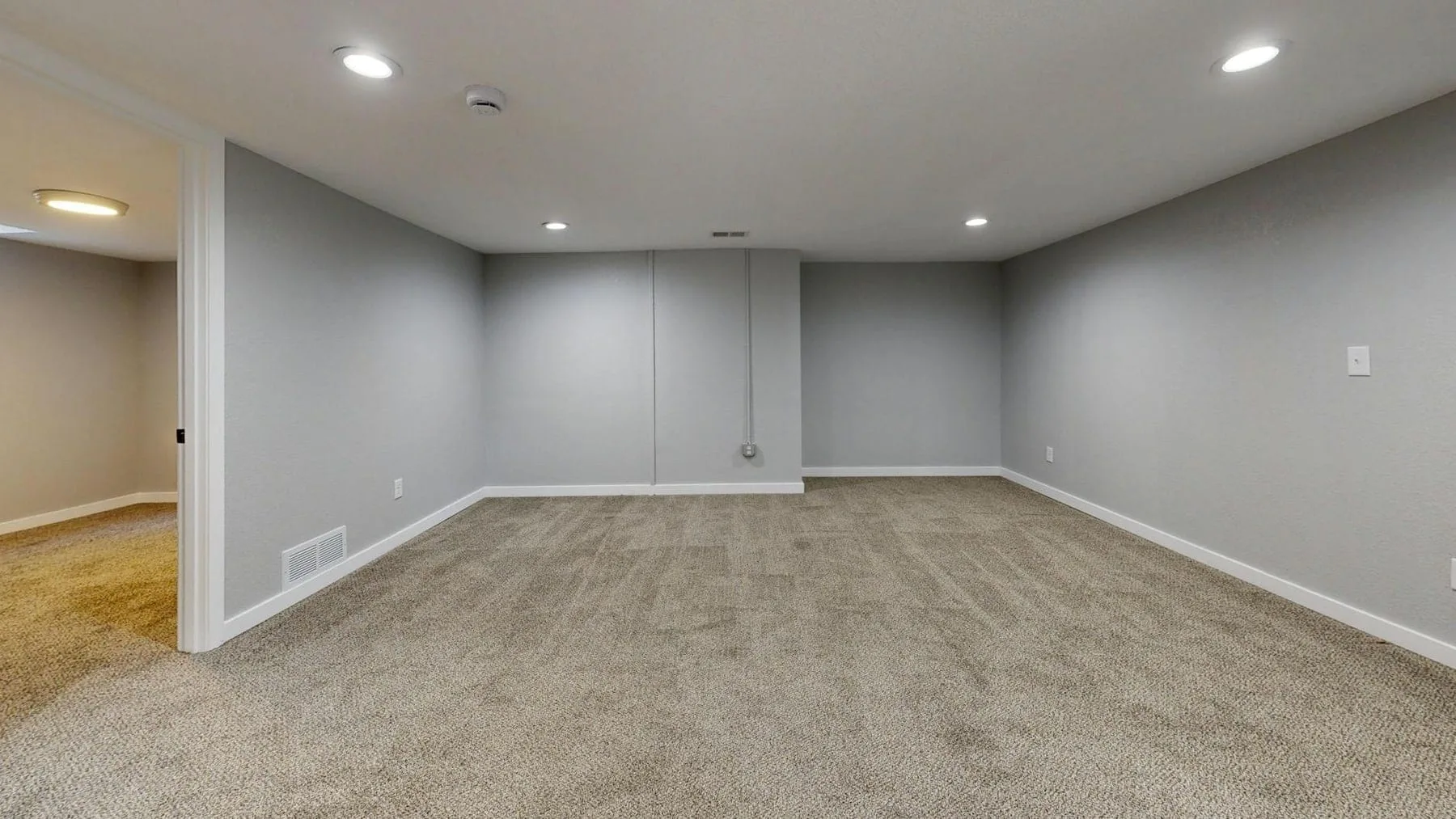
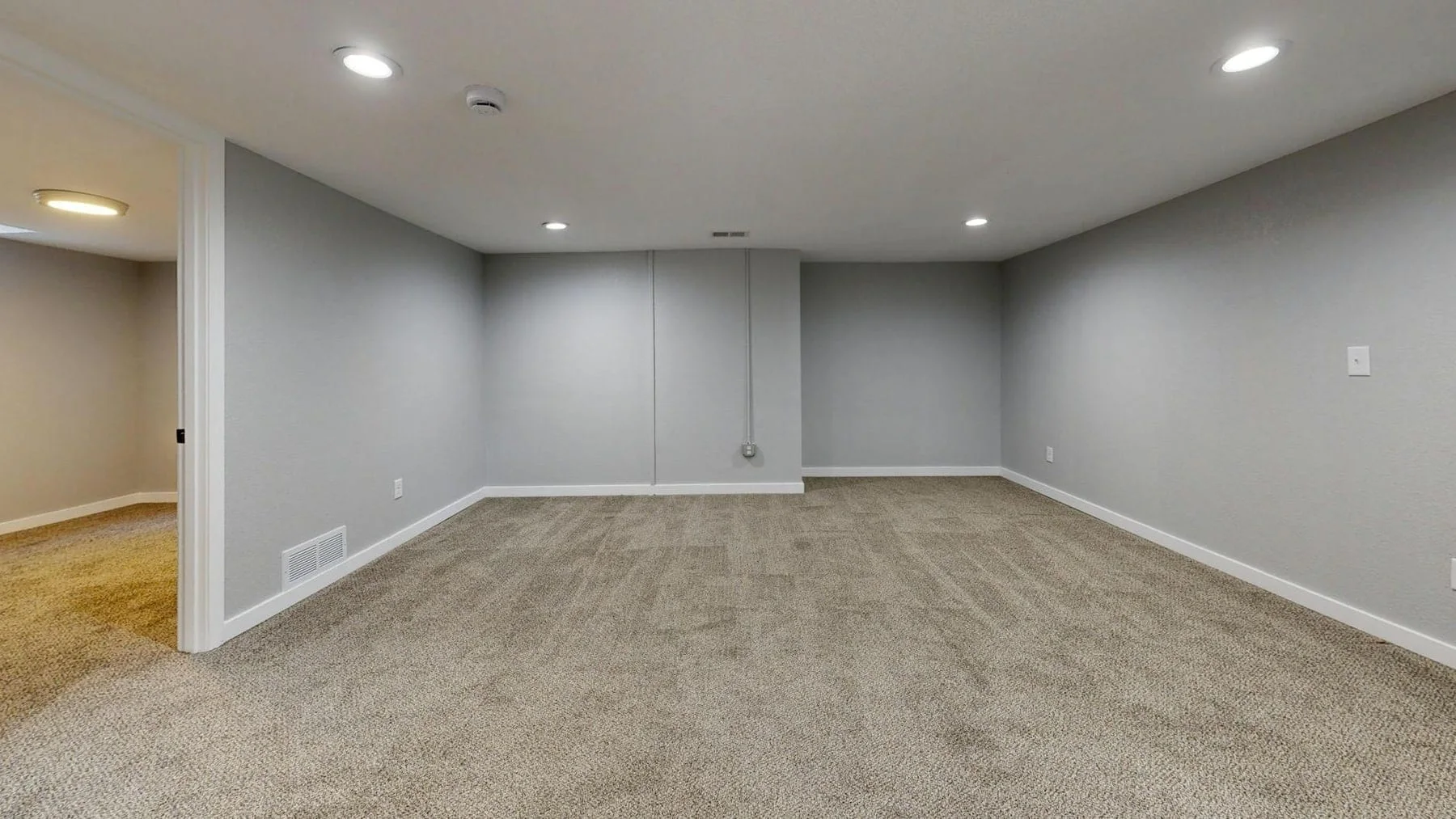
  • Vinyl plank in a finished basement, NJ. 1,200 sq ft of luxury vinyl plank in a finished basement family room and home theater. Floated over a moisture-mitigation underlayment because the basement gets occasional humidity in summer. 4 days of install.

See more in the portfolio →

Why homeowners choose LM Pro for flooring

  • Acoustic underlayment compliance for co-op and condo work. STC/IIC ratings confirmed against the building handbook before order.
  • Dust-containment sanders on every sand-and-finish job. Critical in occupied apartments and required by most co-op alteration agreements.
  • Substrate prep handled. Self-leveling compound where needed, moisture readings on concrete, structural assessment when subfloor slope is significant.
  • Pattern installation (herringbone, chevron, parquet) — slower work, but we have the layout discipline to get it clean the first time.
  • Match-and-integrate for additions and repairs — honest about what perfect matching can and can’t achieve.
  • Sequenced inside the larger remodel. Flooring goes in at the right phase, not the convenient one.

Frequently asked questions

Solid hardwood vs. engineered wood — which one should I choose?

Solid hardwood is one continuous piece of wood, can be sanded and refinished multiple times, and lasts longer if properly maintained. Engineered wood is a real-wood top layer over a plywood-like core; more dimensionally stable in humid environments, can typically be refinished 1-2 times, and works in basements and over concrete subfloors where solid wood doesn't. For an NYC apartment over a concrete slab, engineered wood is usually the right call. For a townhouse or single-family with a wood subfloor, solid hardwood is often the better long-term choice.

Can you sand and refinish my existing hardwood?

Yes. Sand-and-finish is one of our core flooring services. We use dust-containment systems (vacuum-bag sanders) to keep airborne dust to a minimum, sand to bare wood, apply stain (or skip the stain for natural finish), then 3 coats of polyurethane (oil-based or water-based, your call). Existing floors with deep scratches, water staining, or pet damage usually clean up well; severely warped or burned boards may need replacement before refinishing.

Do co-ops require acoustic underlayment?

Most do. Manhattan co-ops in particular almost universally require an acoustic underlayment beneath new flooring on any unit above the ground floor — the building wants to prevent footstep noise from transmitting to the unit below. The required STC/IIC sound rating varies by building (some require 50, some require 55+); we confirm with the building handbook on the consultation. Skipping the underlayment usually triggers a building violation and forced removal, so this is one of the rules we never bend.

Vinyl plank — is it as good as hardwood?

Different tool, different job. Luxury vinyl plank (LVP) is waterproof, dimensionally stable, scratch-resistant, and looks convincingly like hardwood at normal viewing distance. Best in basements, bathrooms, kitchens, and homes with kids and pets. Hardwood is the choice for primary living areas in higher-finish-tier homes where the look and feel of real wood is the priority. Both are in our toolkit; we recommend per room based on use and finish tier.

Can you handle uneven sub-floors?

Yes. Uneven sub-floors are common in pre-war NYC buildings and older NJ homes — the floor settles unevenly over decades. We use self-leveling underlayment compound to flatten the substrate before installing the finish floor, or shim engineered wood over a substantial slope. Severely uneven floors (more than 1/4 inch per 6 feet) sometimes need structural assessment first to confirm the slope isn't moving. We test on the consultation.

Can you match my existing hardwood for an addition or repair?

We try. If your existing hardwood is on the original floor, we sand and refinish into the new area when possible — same species, same stain, blended at the seam. If the original species is discontinued (some 1920s-era flooring uses species rarely milled today), we'll spec the closest contemporary match and frame the transition naturally — usually with a threshold or a deliberate pattern change at a doorway. Perfect matches on antique floors are rare; honest matches are achievable.

How long does flooring installation take?

Whole-home hardwood install runs 1 to 3 weeks depending on square footage and species. Sand-and-finish on existing floors runs 4 to 8 days (3 days of sanding, 3 coats of finish with dry time between). Engineered wood and vinyl plank install faster — typically 3 to 7 days for a 1,500 square foot apartment. We sequence flooring at the right phase of a remodel: after drywall and paint, before final cabinet and trim install in most cases.

What about dust during sanding?

We use dust-containment sanders with bag-collection systems on every sand-and-finish job. Drywall plastic and zipper-door barriers seal off the work area from the rest of the home. End-of-day clean-down is standard. Some dust escapes the system regardless — we can't say zero — but the difference between a contained sand-and-finish and a non-contained one is dramatic. Co-ops often require dust containment as part of the alteration agreement.

Reviews

5.0 ★ on Google. 5.0 ★ on Yelp. Flooring reviews on the reviews page often reference how the dust containment held up during sanding, how cleanly transitions blended with original work, and the acoustic underlayment compliance for co-op installs.

Ready to start your flooring project?

Call (862) 430-3655 or schedule a free consultation. We’ll bring real samples — hardwood species, engineered wood, vinyl plank, and stain options — to the consultation.

FAQs

Common questions

Solid hardwood vs. engineered wood — which one should I choose?

Solid hardwood is one continuous piece of wood, can be sanded and refinished multiple times, and lasts longer if properly maintained. Engineered wood is a real-wood top layer over a plywood-like core; more dimensionally stable in humid environments, can typically be refinished 1-2 times, and works in basements and over concrete subfloors where solid wood doesn't. For an NYC apartment over a concrete slab, engineered wood is usually the right call. For a townhouse or single-family with a wood subfloor, solid hardwood is often the better long-term choice.

Can you sand and refinish my existing hardwood?

Yes. Sand-and-finish is one of our core flooring services. We use dust-containment systems (vacuum-bag sanders) to keep airborne dust to a minimum, sand to bare wood, apply stain (or skip the stain for natural finish), then 3 coats of polyurethane (oil-based or water-based, your call). Existing floors with deep scratches, water staining, or pet damage usually clean up well; severely warped or burned boards may need replacement before refinishing.

Do co-ops require acoustic underlayment?

Most do. Manhattan co-ops in particular almost universally require an acoustic underlayment beneath new flooring on any unit above the ground floor — the building wants to prevent footstep noise from transmitting to the unit below. The required STC/IIC sound rating varies by building (some require 50, some require 55+); we confirm with the building handbook on the consultation. Skipping the underlayment usually triggers a building violation and forced removal, so this is one of the rules we never bend.

Vinyl plank — is it as good as hardwood?

Different tool, different job. Luxury vinyl plank (LVP) is waterproof, dimensionally stable, scratch-resistant, and looks convincingly like hardwood at normal viewing distance. Best in basements, bathrooms, kitchens, and homes with kids and pets. Hardwood is the choice for primary living areas in higher-finish-tier homes where the look and feel of real wood is the priority. Both are in our toolkit; we recommend per room based on use and finish tier.

Can you handle uneven sub-floors?

Yes. Uneven sub-floors are common in pre-war NYC buildings and older NJ homes — the floor settles unevenly over decades. We use self-leveling underlayment compound to flatten the substrate before installing the finish floor, or shim engineered wood over a substantial slope. Severely uneven floors (more than 1/4 inch per 6 feet) sometimes need structural assessment first to confirm the slope isn't moving. We test on the consultation.

Can you match my existing hardwood for an addition or repair?

We try. If your existing hardwood is on the original floor, we sand and refinish into the new area when possible — same species, same stain, blended at the seam. If the original species is discontinued (some 1920s-era flooring uses species rarely milled today), we'll spec the closest contemporary match and frame the transition naturally — usually with a threshold or a deliberate pattern change at a doorway. Perfect matches on antique floors are rare; honest matches are achievable.

How long does flooring installation take?

Whole-home hardwood install runs 1 to 3 weeks depending on square footage and species. Sand-and-finish on existing floors runs 4 to 8 days (3 days of sanding, 3 coats of finish with dry time between). Engineered wood and vinyl plank install faster — typically 3 to 7 days for a 1,500 square foot apartment. We sequence flooring at the right phase of a remodel: after drywall and paint, before final cabinet and trim install in most cases.

What about dust during sanding?

We use dust-containment sanders with bag-collection systems on every sand-and-finish job. Drywall plastic and zipper-door barriers seal off the work area from the rest of the home. End-of-day clean-down is standard. Some dust escapes the system regardless — we can't say zero — but the difference between a contained sand-and-finish and a non-contained one is dramatic. Co-ops often require dust containment as part of the alteration agreement.

Free Consultation

Ready to start? Let’s talk.

Call to walk through your project, or schedule a free consultation — by video if you can’t be on site, in person if you can. We bring sample materials, a measuring kit, and a written scope back to you within a few business days.

Licensed Insured Bonded 10+ years

Mon–Sun · 8 AM–6 PM

(862) 430-3655