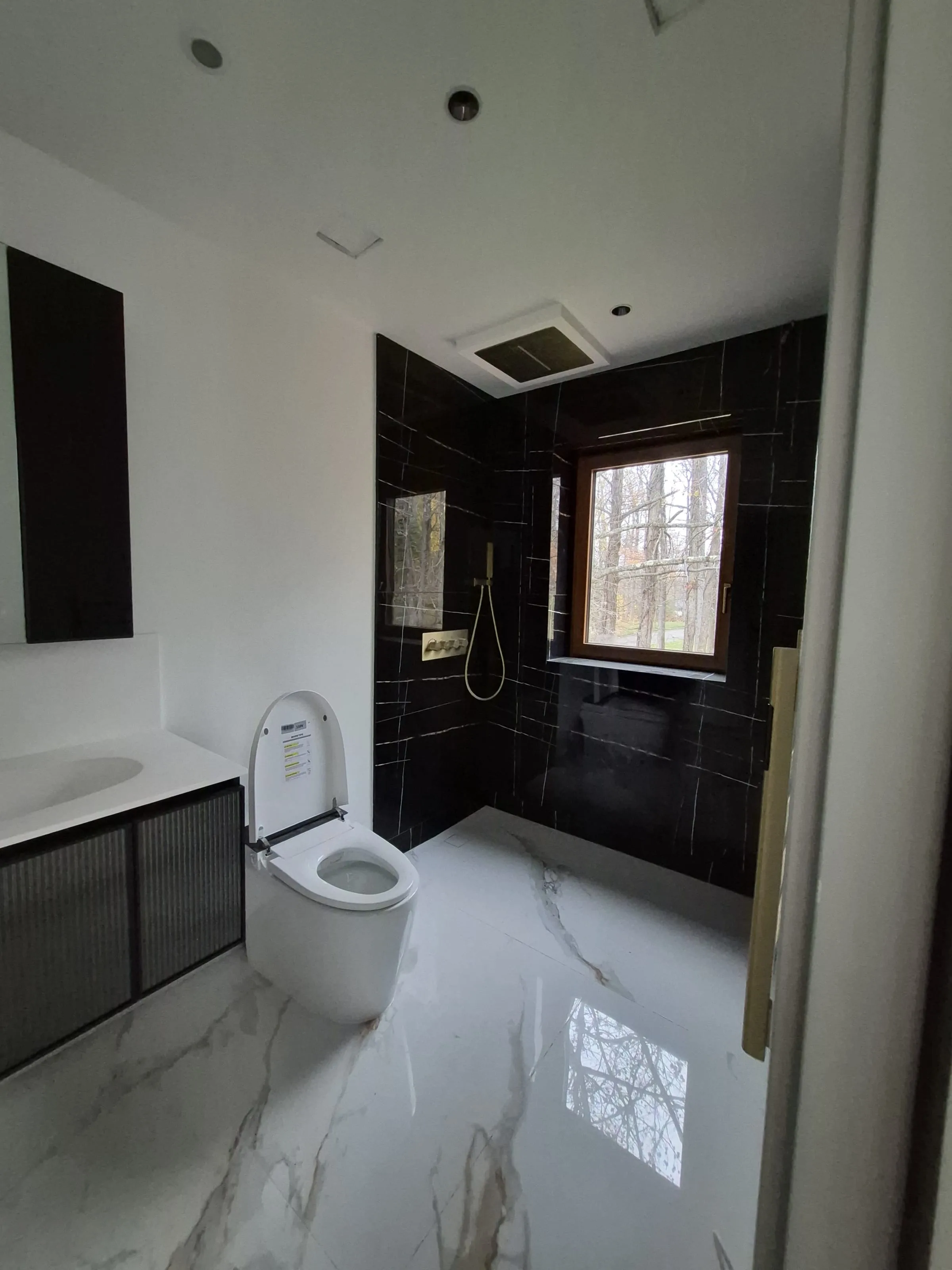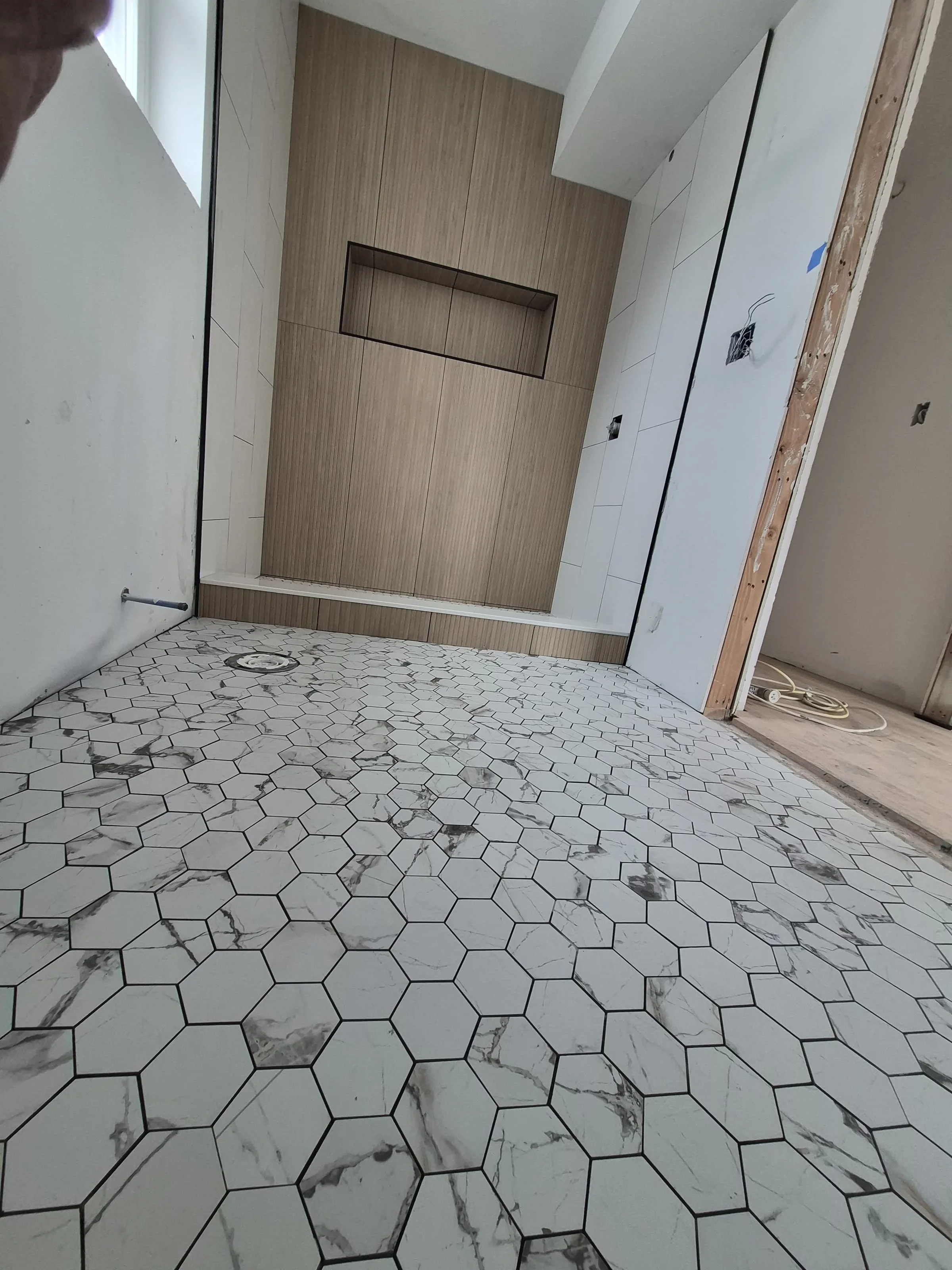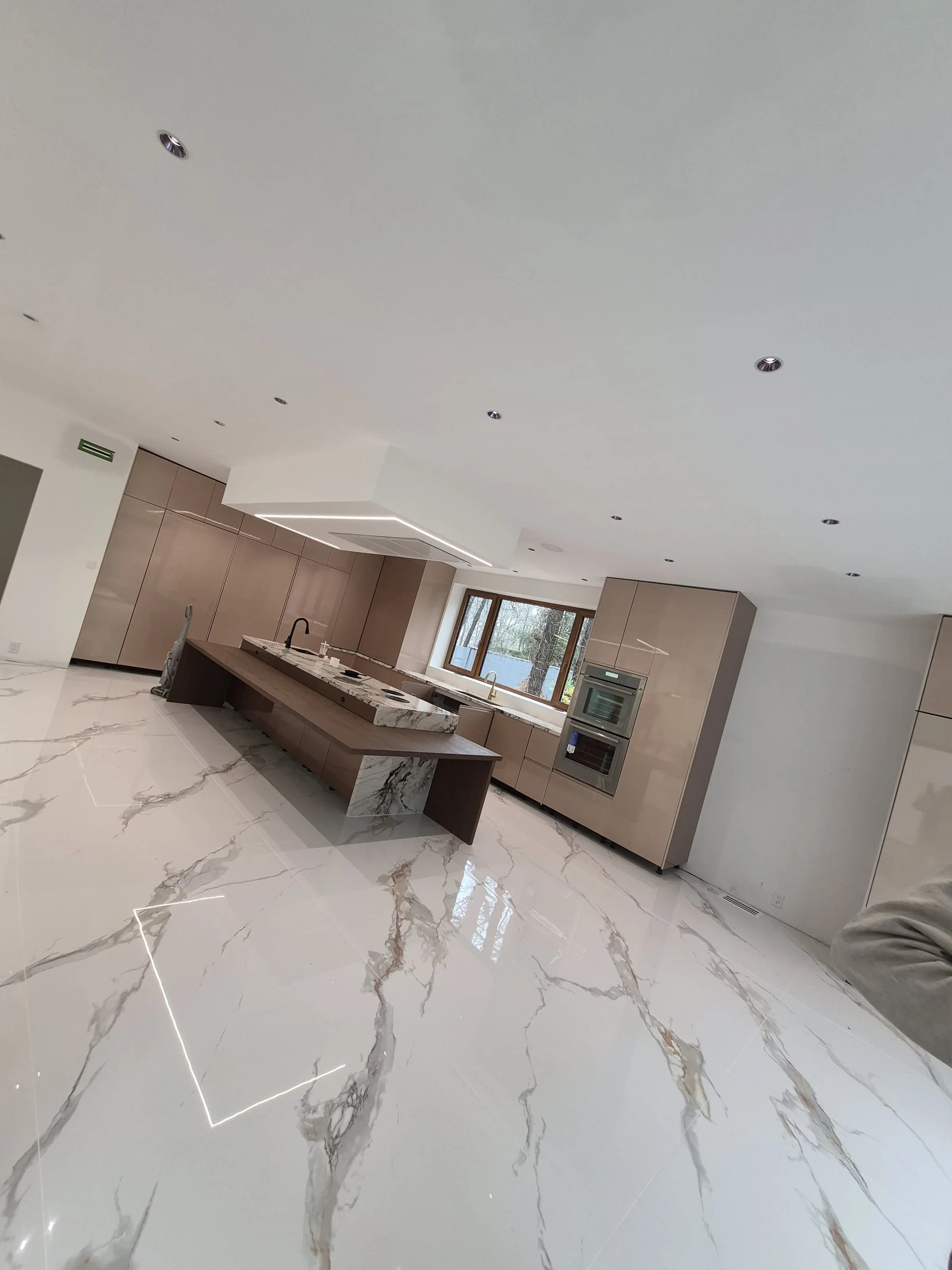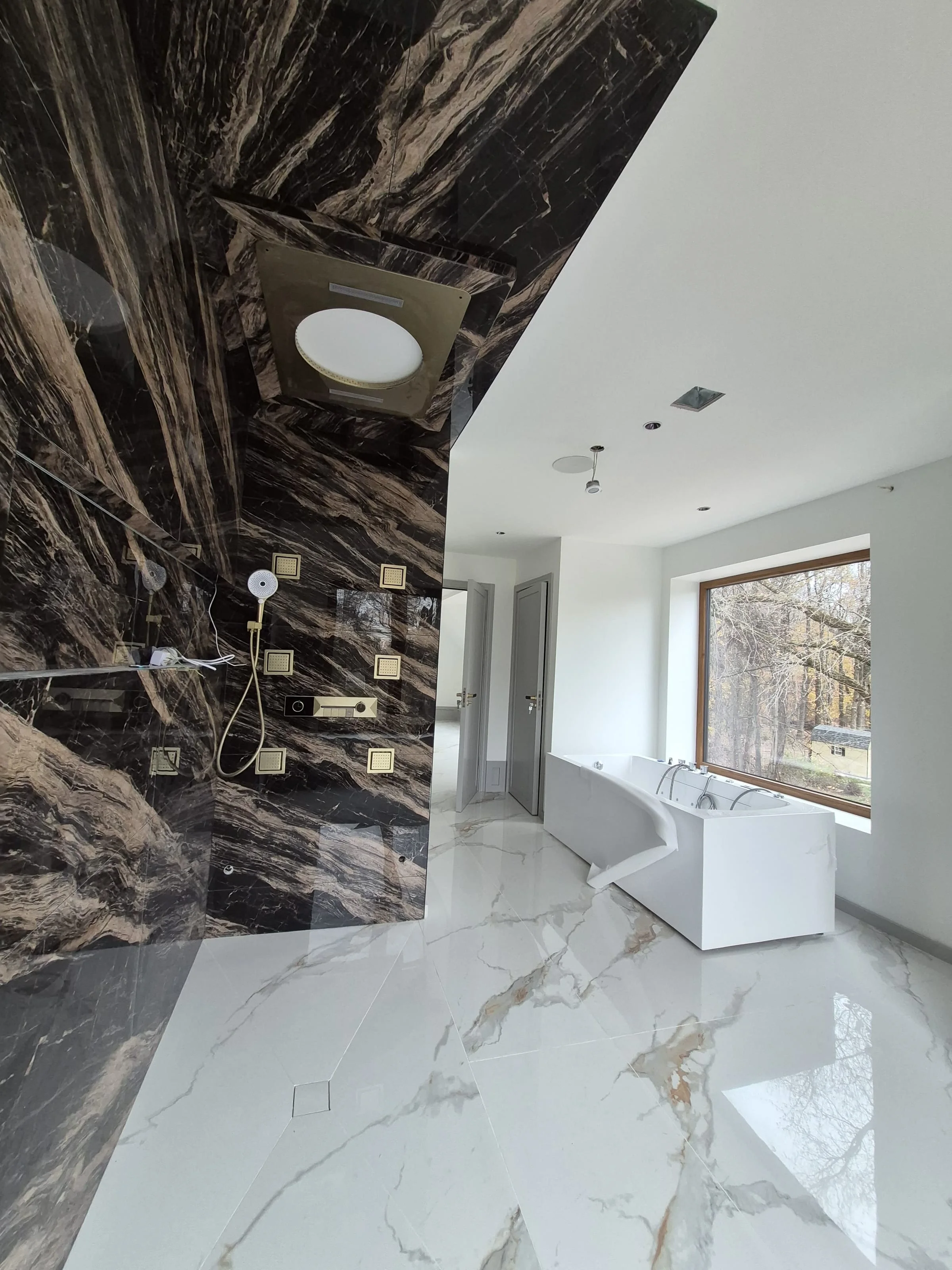
service hub

Apartment, Co-op & Condo Remodeling in NYC

Alteration agreements, DOB filings, board approvals, freight elevator scheduling, and pre-war structural work — all handled. You renovate; we manage the building.

Apartment, Co-op & Condo Remodeling in NYC

NYC apartment, co-op, and condo remodeling, delivered by a Newark-based design-build firm with 10+ years on residential renovation in five-borough buildings. The technical work — plumbing, framing, tile, finishes — runs to the same standard on every project. The differentiator on apartment work is the bureaucracy: alteration agreements, DOB filings, board approvals, freight elevator schedules, building hour restrictions, certificates of insurance, and pre-war structural quirks. We handle all of it.

[License #] · 2-year workmanship warranty · 5.0 ★ Google · Licensed, Insured & Bonded · 10+ years.

Schedule a free consultation — in person or by video. Call (862) 430-3655.

Why the building matters more than the apartment

A bathroom remodel is a bathroom remodel. The plumbing, the waterproofing, the tile-set, and the finishes follow the same rules in a Manhattan co-op as in a Long Island ranch. What changes — and what most contractors underestimate — is the building bureaucracy that surrounds the apartment.

Before demo can start in a typical Manhattan co-op:

  • The alteration agreement package has to be drafted, submitted, reviewed, sometimes revised, and ultimately approved by the building’s board or managing agent.
  • The contractor’s certificate of insurance has to name the right entities with the right limits.
  • DOB filings (where required) have to be approved.
  • Freight elevator dates have to be reserved.
  • Lobby and corridor protection has to be installed.
  • The work has to fit inside the building’s permitted hours.

Skip any of those and the project either doesn’t start, gets stopped mid-build, or finishes with a fine and a building-staff complaint that costs the homeowner the relationship. We’ve handled the full bureaucracy on enough projects across Manhattan and Brooklyn that it’s now built into the timeline, not an afterthought.

Apartment services we offer

Co-op renovations

The most heavily regulated apartment type in NYC. Alteration agreement, board approval, and strict work hour rules are standard. Renovations run from a single bathroom or kitchen up through a full gut. We handle the alteration agreement package and the building coordination as part of the project — not as an additional fee.

Condo renovations

Less governance than co-ops on average, but the rules vary widely. Some condos are nearly as strict as co-ops; others are quite light. We confirm during the consultation and adjust the timeline.

Pre-war apartment renovations

Apartments built before roughly 1940 — usually with plaster walls, original hardwood, casement windows, original cast-iron drain stacks, and steel-frame structural elements behind the plaster. We restore where possible (plaster patch and skim, hardwood sand-and-finish, casement repair) and replace only when restoration isn’t feasible.

Post-war and modern condo renovations

1950s through current. Drywall instead of plaster, more standardized layouts, often less restrictive board governance. Faster builds on average, though high-end full-service buildings still come with strict alteration agreements.

Combination renovations

Two adjacent apartments combined into one unit. Requires DOB-permitted structural work to remove the dividing wall (sometimes load-bearing), unified mechanical systems, and a full alteration agreement specifically for the combination. Long timeline — typically 6 to 12 months including approvals.

Single-room apartment work

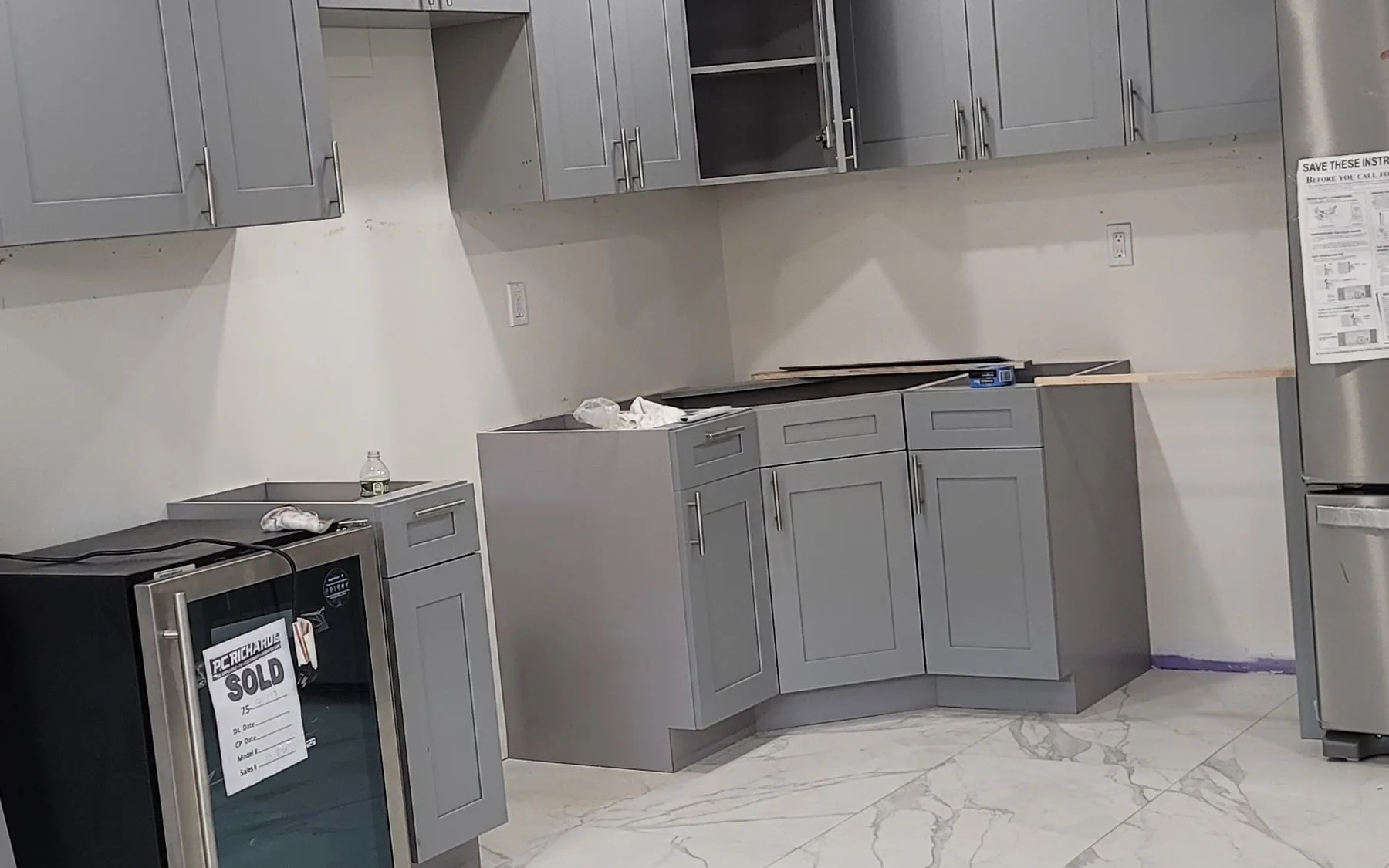
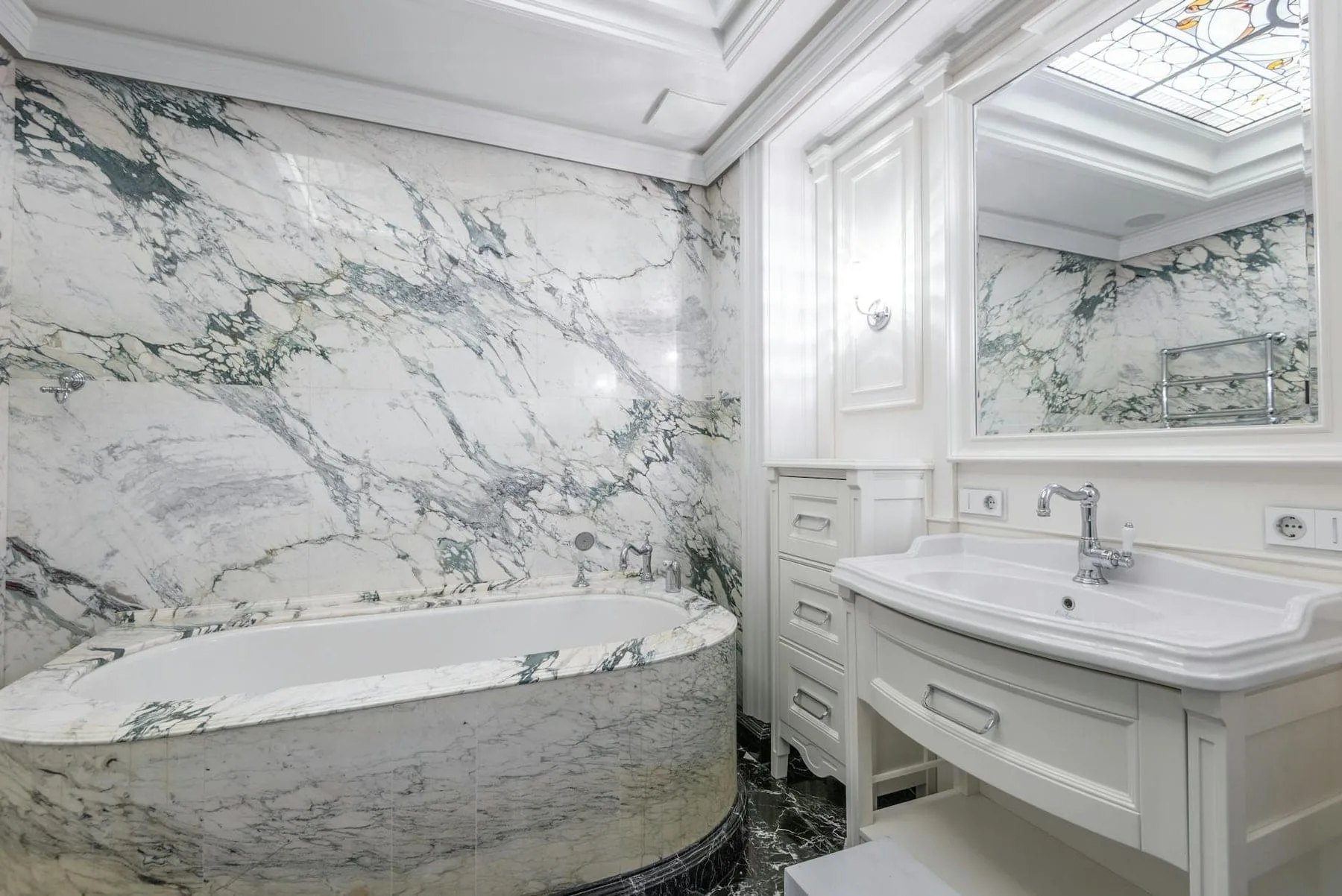
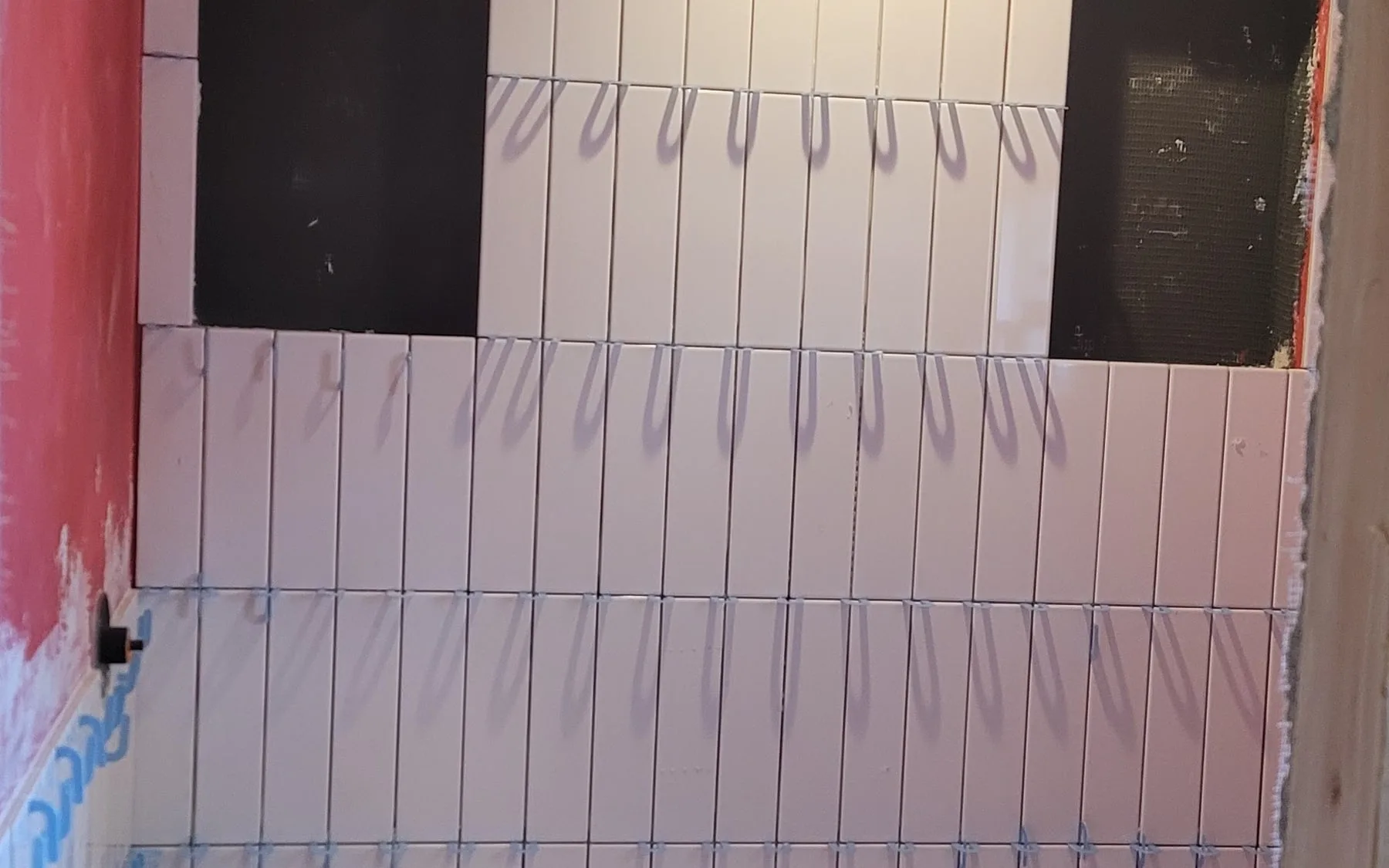
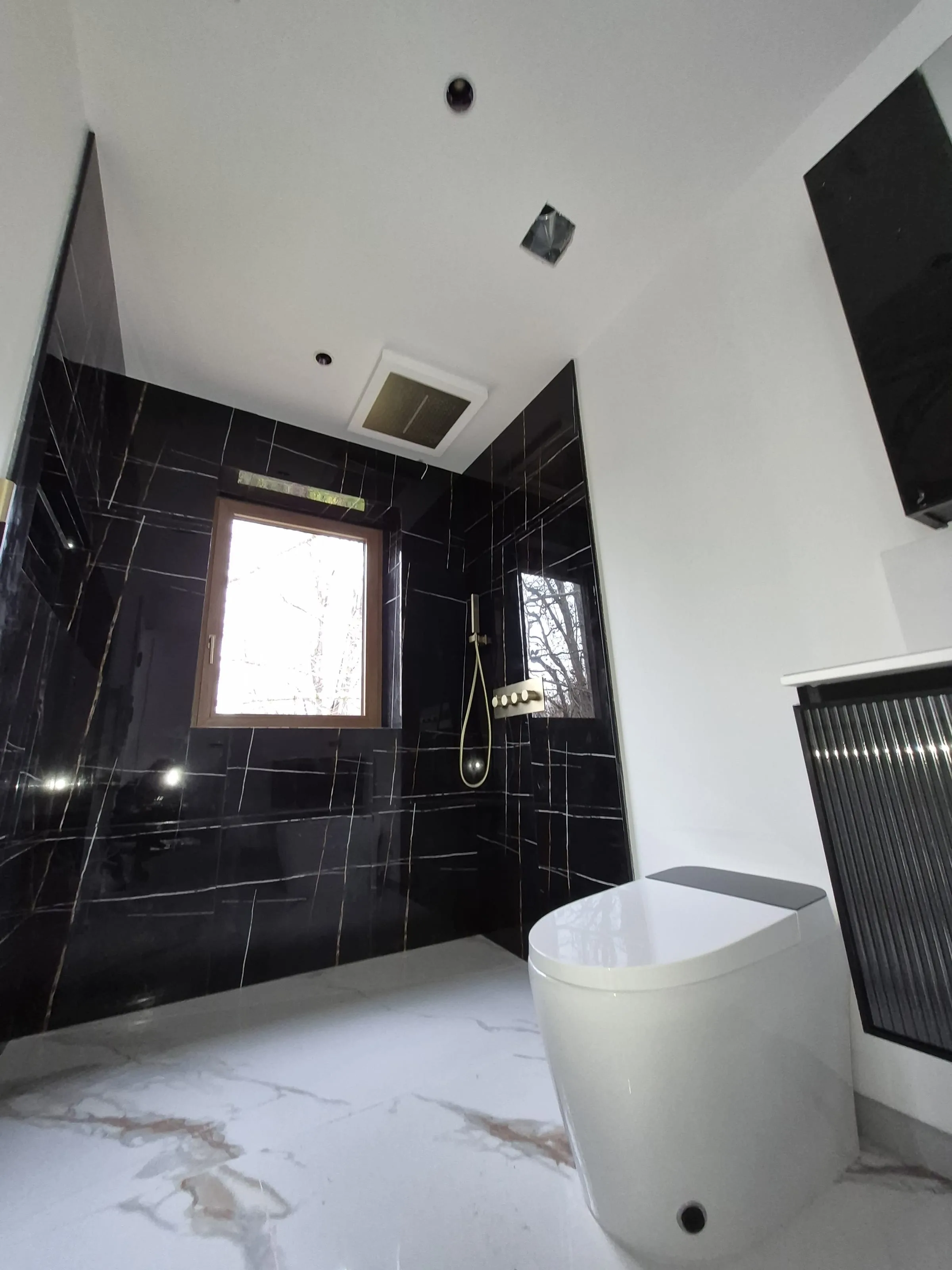
Bathroom, kitchen, or partial bathroom remodels inside an apartment. Same alteration agreement and DOB requirements as a larger scope, but a shorter build.

How an apartment renovation runs

  1. Free consultation. On site is best for apartment work — we need to walk the unit, photograph existing conditions, identify pre-war structural elements, and talk through what your building requires. Video works for follow-up.
  2. Design and approvals. Drawings, finish selections in three tiers, alteration agreement package, DOB filing if required. Most apartment projects spend 6 to 12 weeks in this phase before demo.
  3. Build. Lobby protection, freight elevator scheduling, dust barriers, demo, rough-in, drywall, finishes. We work inside the building’s permitted hours, on the freight schedule, and with the building staff.
  4. Walk-through and warranty. Punch list, deep clean, 2-year workmanship warranty, manufacturer warranty pass-through, building handover (some buildings require a final walk-through with the super or managing agent).

The full process →

Service areas

Apartment work is primarily NYC borough work and Jersey City:

For specific apartment combo pages: Bathroom remodeling in Manhattan, Kitchen remodeling in Manhattan, Bathroom remodeling in Jersey City.

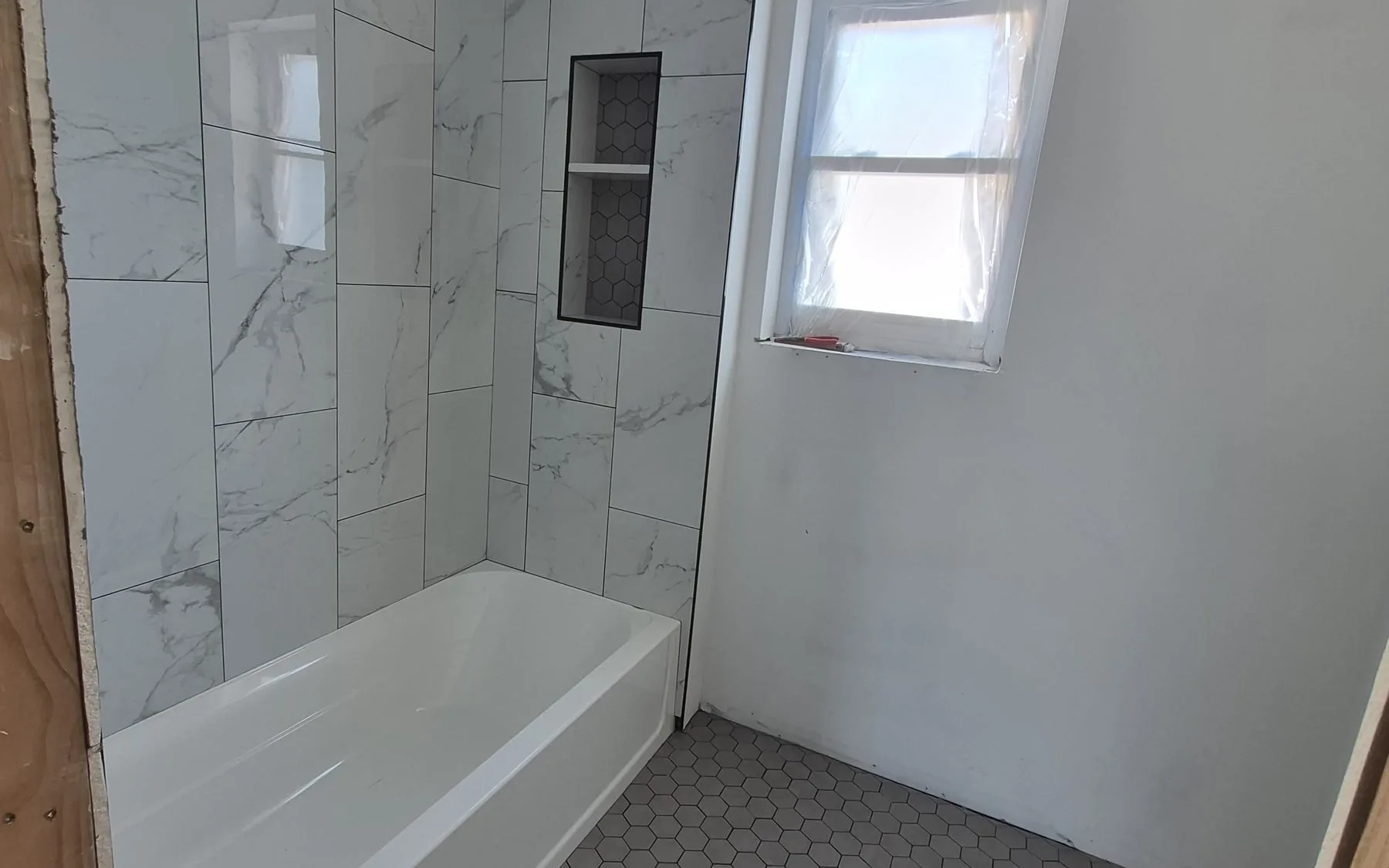
  • Pre-war full gut, Manhattan. 3-bedroom co-op, alteration agreement approved in 6 weeks, then 18 weeks on the build. Combined two small bedrooms into a primary suite, restored original plaster crown moldings, refinished original hardwood. Family relocated for the duration.
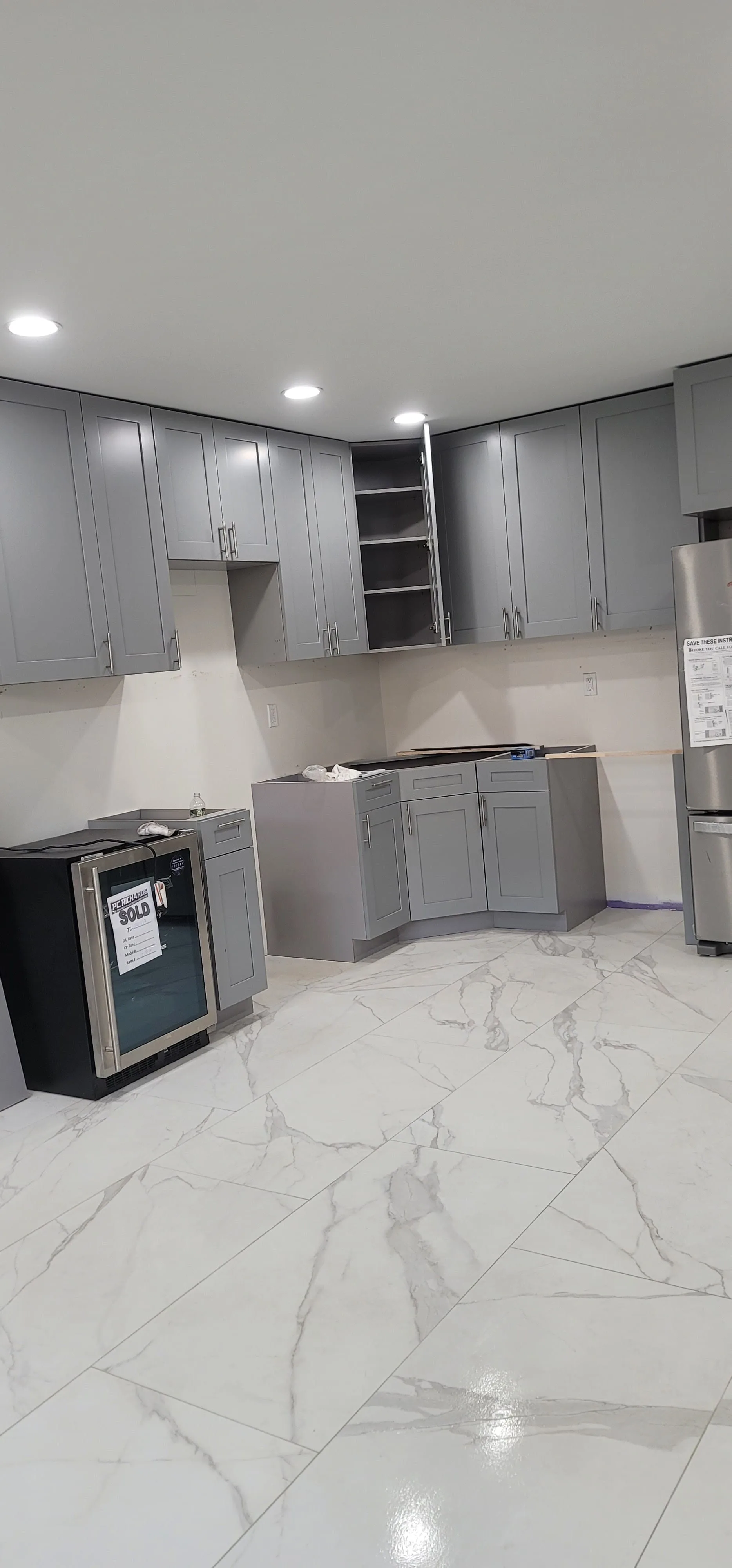
  • Condo bathroom and kitchen remodel, Manhattan. Modern high-rise condo. Alteration agreement approved in 2 weeks (light condo governance). Two bathrooms and a kitchen, freight elevator scheduled twice weekly, 11 weeks on the build.
  • Brooklyn brownstone apartment renovation. Owner-occupied parlor-floor apartment in a 4-floor brownstone. Kitchen, bathroom, and floor refinish; original casement windows restored, plaster crown moldings preserved. 9 weeks.

See more in the portfolio →

Why homeowners choose LM Pro for apartment work

  • Alteration agreements drafted and submitted by us. Drawings, COIs, contractor disclosures, scope narratives — done. You don’t draft the package; we do.
  • Building bureaucracy built into the timeline. We’ve worked with most of the major Manhattan managing agents and know what each one expects.
  • Freight elevator and lobby protection coordinated with building staff as standard practice — not negotiated as an extra.
  • Pre-war structural and plaster work handled regularly. Plaster walls, cast-iron drain stacks, steel-frame quirks, original hardwood — known territory.
  • In-house tile and stone setters for bathrooms, kitchens, and feature walls.
  • Trusted licensed plumbers — long-term partners we’ve worked with for years running rough-in for every bathroom and kitchen on co-op or condo work.
  • DOB filings under our license. You don’t coordinate with the city.
  • One project lead. The person who took the consultation runs the alteration agreement, manages the build, and signs the punch list.

Frequently asked questions

Do you handle co-op alteration agreements?

Yes — start to finish. We prepare the alteration agreement package: construction drawings, contractor insurance certificates with the required limits, contractor licensing disclosures, scope-of-work narrative, and any building-specific addenda your managing agent requires. We submit to the managing agent or board, respond to comments, and follow up until we have written approval. Approval timelines vary by building — most run 2 to 8 weeks. We've worked with most of the major Manhattan managing agents and know what each one expects.

How long does an NYC apartment renovation take?

Once approval clears and demo starts, a single-bathroom or kitchen-only project runs 4 to 12 weeks. A 1-to-2-bedroom apartment gut runs 12 to 20 weeks. A 3-to-4-bedroom or pre-war full gut runs 18 to 28 weeks. Add 4 to 8 weeks for alteration agreement approval and DOB permit filing on the front end. Buildings with restrictive work-hour rules add a week or two on top.

What are the standard NYC apartment building work hour rules?

Most Manhattan and Brooklyn buildings allow construction Monday through Friday, 9 AM to 4 PM. Some allow Saturday morning hours; most don't. Sundays and holidays are off. Hammering, drilling, and demo are restricted to certain windows within those hours in some buildings. We schedule the build around your specific building's rules — we ask for the building handbook on the consultation and plan from there.

Do you handle freight elevator scheduling?

Yes. We coordinate freight elevator reservations with the building staff, schedule large-material deliveries (cabinetry, slab stone, appliances) for the freight, protect lobbies and corridors with floor and wall covers, and pay any freight elevator fees the building charges (those are pass-through line items in your contract, not hidden in our number).

Can you remodel a pre-war apartment?

Yes — pre-war work is a substantial share of our portfolio. Pre-war apartments come with structural quirks: plaster walls that don't take drywall fasteners cleanly, original cast-iron drain stacks that need careful tie-ins, steel-frame structural elements behind the plaster, and original casement windows that often need restoration rather than replacement. We've handled all of them often enough that they don't slow us down.

What about plaster walls — can you keep them or do they have to come down?

Both options exist depending on condition. Plaster in good condition can be patched, skim-coated, and painted; the result is denser and more sound-attenuating than drywall. Plaster that's been damaged by water, has structural cracking, or has been heavily patched already is usually replaced with drywall on the same studs (or new metal-stud framing if the existing studs aren't stable). We test condition during demo and recommend per wall.

Do condos and co-ops have different rules than the buildings give homeowners?

Different governance structures. A co-op is owned by a corporation that owns the building; the homeowner owns shares and a proprietary lease. A condo gives the homeowner direct ownership of the unit. Co-ops typically have stricter alteration agreements (more board oversight, longer approval cycles, sometimes board interview requirements). Condos vary widely — some are nearly as strict as co-ops, some are quite light. We confirm the rules for your specific building during the consultation.

Do you handle insurance certificates with the required limits for the building?

Yes. Most NYC buildings require a contractor's certificate of insurance naming the building, the managing agent, and any related entities as additional insureds, with specific liability limits ($1M/$2M is common, $5M required by some high-end buildings). Our certificates are issued by request from the broker and sent directly to your managing agent. We do this multiple times a month — it's standard.

Reviews

5.0 ★ on Google. 5.0 ★ on Yelp. Apartment reviews on the reviews page commonly reference how the alteration agreement was handled, how building staff and neighbors were treated, and the discipline on freight elevator and dust-barrier protocol.

Ready to start your apartment renovation?

Call (862) 430-3655 or schedule a free consultation. For apartment work, an in-person visit is best — we need to see the unit, the building, and confirm what your alteration agreement will require.

FAQs

Common questions

Do you handle co-op alteration agreements?

Yes — start to finish. We prepare the alteration agreement package: construction drawings, contractor insurance certificates with the required limits, contractor licensing disclosures, scope-of-work narrative, and any building-specific addenda your managing agent requires. We submit to the managing agent or board, respond to comments, and follow up until we have written approval. Approval timelines vary by building — most run 2 to 8 weeks. We've worked with most of the major Manhattan managing agents and know what each one expects.

How long does an NYC apartment renovation take?

Once approval clears and demo starts, a single-bathroom or kitchen-only project runs 4 to 12 weeks. A 1-to-2-bedroom apartment gut runs 12 to 20 weeks. A 3-to-4-bedroom or pre-war full gut runs 18 to 28 weeks. Add 4 to 8 weeks for alteration agreement approval and DOB permit filing on the front end. Buildings with restrictive work-hour rules add a week or two on top.

What are the standard NYC apartment building work hour rules?

Most Manhattan and Brooklyn buildings allow construction Monday through Friday, 9 AM to 4 PM. Some allow Saturday morning hours; most don't. Sundays and holidays are off. Hammering, drilling, and demo are restricted to certain windows within those hours in some buildings. We schedule the build around your specific building's rules — we ask for the building handbook on the consultation and plan from there.

Do you handle freight elevator scheduling?

Yes. We coordinate freight elevator reservations with the building staff, schedule large-material deliveries (cabinetry, slab stone, appliances) for the freight, protect lobbies and corridors with floor and wall covers, and pay any freight elevator fees the building charges (those are pass-through line items in your contract, not hidden in our number).

Can you remodel a pre-war apartment?

Yes — pre-war work is a substantial share of our portfolio. Pre-war apartments come with structural quirks: plaster walls that don't take drywall fasteners cleanly, original cast-iron drain stacks that need careful tie-ins, steel-frame structural elements behind the plaster, and original casement windows that often need restoration rather than replacement. We've handled all of them often enough that they don't slow us down.

What about plaster walls — can you keep them or do they have to come down?

Both options exist depending on condition. Plaster in good condition can be patched, skim-coated, and painted; the result is denser and more sound-attenuating than drywall. Plaster that's been damaged by water, has structural cracking, or has been heavily patched already is usually replaced with drywall on the same studs (or new metal-stud framing if the existing studs aren't stable). We test condition during demo and recommend per wall.

Do condos and co-ops have different rules than the buildings give homeowners?

Different governance structures. A co-op is owned by a corporation that owns the building; the homeowner owns shares and a proprietary lease. A condo gives the homeowner direct ownership of the unit. Co-ops typically have stricter alteration agreements (more board oversight, longer approval cycles, sometimes board interview requirements). Condos vary widely — some are nearly as strict as co-ops, some are quite light. We confirm the rules for your specific building during the consultation.

Do you handle insurance certificates with the required limits for the building?

Yes. Most NYC buildings require a contractor's certificate of insurance naming the building, the managing agent, and any related entities as additional insureds, with specific liability limits ($1M/$2M is common, $5M required by some high-end buildings). Our certificates are issued by request from the broker and sent directly to your managing agent. We do this multiple times a month — it's standard.

Free Consultation

Ready to start? Let’s talk.

Call to walk through your project, or schedule a free consultation — by video if you can’t be on site, in person if you can. We bring sample materials, a measuring kit, and a written scope back to you within a few business days.

Licensed Insured Bonded 10+ years

Mon–Sun · 8 AM–6 PM

(862) 430-3655